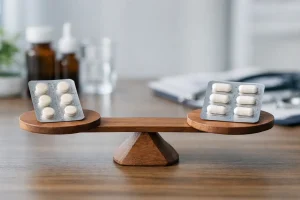
For someone who has promised to stop drinking many times, the question is rarely academic. Implant treatment vs alcohol counselling can feel like a choice between immediate protection and longer-term emotional support. In reality, the right route depends on what has happened before, how urgent the risk of relapse is, and what support is available once the decision to stop has been made.
If alcohol has begun to damage your health, work, relationships or self-respect, you deserve a plan that is practical, private and medically responsible. A disulfiram implant may provide a firm barrier against drinking. Counselling can help address the pressures, habits and feelings that keep pulling a person back towards alcohol. Neither should be presented as a simple miracle cure.
Implant treatment vs alcohol counselling: the core difference
Disulfiram implant treatment is a medical procedure. After a private consultation and suitability assessment, a clinician places disulfiram pellets beneath the skin during an outpatient procedure under local anaesthetic. Disulfiram changes how the body processes alcohol. If alcohol is consumed while the medicine is active, acetaldehyde can build up and cause a highly unpleasant reaction, including flushing, nausea, vomiting, headache, palpitations and low blood pressure.
That consequence is the point of the treatment. For a person who understands the risk and is committed to abstinence, the implant can create a clear physical barrier at the moment temptation appears. It is not based on having to remember a daily tablet during a difficult evening, after an argument or when alcohol is readily available.
Alcohol counselling works differently. It is a talking treatment delivered by a counsellor, therapist or addiction specialist. Sessions may explore triggers, stress, family patterns, grief, anxiety, confidence and the routines connected with drinking. Counselling can also help someone practise healthier ways to manage cravings, social situations and difficult emotions.
The difference is not that one option shows commitment and the other does not. Both require commitment. The implant creates a medical deterrent; counselling builds insight, skills and support over time.
When an implant may be the stronger first step
An implant is often considered by people who have already tried willpower, short periods of abstinence, support groups or counselling but have repeatedly returned to alcohol. They may know exactly what drinking is costing them, yet still find that an urge can overturn their best intentions in minutes.
For these patients, a tangible intervention can bring relief. The decision has been made in advance, in a clinical setting, rather than being left to a vulnerable moment. This can be particularly valuable when a person needs to stabilise quickly for their family, employment, health or legal responsibilities.
Discretion matters too. Many people delay seeking help because they fear being judged or exposed. A private pathway with a consultation, medical qualification, outpatient implantation and follow-up can feel more manageable than explaining their situation repeatedly. At Dublin Medgreg Clinic, the focus is on a respectful, structured process for people ready to take control of alcohol.
However, implant treatment is not suitable for everyone. A clinician must review your medical history, current medicines, alcohol use and ability to remain alcohol-free before the procedure. You must be fully informed about the possible reaction to alcohol and understand that alcohol can be present in some products, including certain medicines, mouthwashes and foods. Never treat this as a procedure to arrange without proper medical assessment.
Where alcohol counselling makes a real difference
Counselling is especially valuable when alcohol has become the main way of coping. If drinking follows panic, loneliness, conflict, trauma, bereavement or untreated mental health symptoms, a medical barrier alone may not resolve those underlying pressures.
A good counsellor does not simply tell someone not to drink. They help identify the sequence before a relapse: perhaps exhaustion after work, a difficult phone call, payday, a particular friend, shame after a previous lapse or the belief that one drink will make everything easier. Seeing that sequence clearly gives a person more choices before they reach for alcohol.
Counselling can also support family repair. Dependence often creates secrecy, broken promises and frustration on all sides. A partner or relative may want to help but not know whether to encourage, monitor, confront or step back. Professional support can help establish boundaries without turning the family home into a constant crisis meeting.
The limitation is that counselling does not provide an immediate pharmacological consequence if a person drinks. Progress may be gradual, and it requires regular attendance and openness. For somebody facing frequent, powerful urges or a pattern of impulsive relapse, talk-based support on its own may feel insufficient at first.
The most effective answer is often both
It does not have to be implant treatment or alcohol counselling. For many people, combining them is the more realistic plan. The implant can provide time and protection while counselling helps rebuild the life that sobriety needs to fit into.
Think of the implant as a boundary and counselling as the work that happens within it. The boundary may reduce the chance of acting on an immediate urge. Counselling can help a person understand why that urge was so powerful, prepare for future stress and develop routines that do not depend on alcohol.
This combined approach can be helpful in the first months of recovery, when motivation is present but confidence is fragile. It may also make it easier to speak honestly in therapy. Some patients feel calmer knowing there is a medical barrier in place, rather than fearing that every difficult day could lead straight back to drinking.
That said, the treatment plan must remain individual. Some people benefit from intensive counselling, community recovery support or medically supervised detoxification before an implant is considered. Others may be medically unsuitable for disulfiram. If there is a risk of withdrawal, severe physical illness, suicidal thoughts or immediate danger, urgent medical assessment is more important than choosing between options online.
Questions to ask before choosing treatment
The best decision starts with honest answers. How often have you tried to stop, and what usually happens before you drink again? Are you looking for protection against a sudden lapse, support to understand your behaviour, or both? Can you attend counselling regularly, and do you have one trusted person who can support your recovery without judgement?
You should also ask the clinician clear questions about suitability, the procedure, potential side effects, aftercare and what to avoid while disulfiram is active. A reputable service will not promise a guaranteed cure or rush past your medical history. Safety, informed consent and follow-up are part of responsible treatment.
Be equally careful when selecting counselling. The right professional should understand alcohol dependence, respect confidentiality and offer practical help rather than vague reassurance. If a particular counsellor does not feel like a good fit, that does not mean counselling has failed. It may mean you need a different approach or practitioner.
Recovery needs a plan for the ordinary days
The decisive moment may be booking a consultation or attending a first counselling session. Yet sobriety is protected in ordinary moments: leaving a stressful shift, sitting alone on a Friday night, receiving bad news, going to a family event or feeling ashamed about the past.
Prepare for those moments before they arrive. Remove alcohol from your immediate environment where possible, tell a trusted person what support you need, and make a simple plan for the first hours of a craving. If you choose an implant, treat it as a serious medical commitment, not permission to avoid every other part of recovery. If you choose counselling, give it enough time and honesty to become useful.
You do not need to wait for another relapse to prove that alcohol has taken too much. A private medical consultation can help you understand whether disulfiram implantation, counselling or a combined plan gives you the safest and strongest next step towards a life you can trust again.