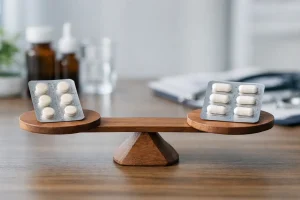
A relapse can feel especially crushing when you have already promised yourself, your partner or your family that alcohol is finished. The question, can disulfiram help repeated relapse, often comes after willpower, detox attempts and good intentions have not been enough to stop the next drink. For some people, a medically supervised disulfiram treatment plan can create the firm, immediate barrier they need to protect early sobriety.
Disulfiram is not a punishment and it is not a cure for alcohol dependence. It is a prescription medicine that changes the consequences of drinking alcohol. When a person takes disulfiram and then drinks, they may experience a severe and potentially dangerous reaction. Knowing that this reaction can happen can make the decision to drink feel less automatic at the moment it matters most.
For someone caught in a repeated relapse cycle, that pause can be valuable. It creates space to leave a risky situation, call a trusted person, attend support, or get through a craving without turning it into another drinking episode.
Why repeated relapse needs a different response
Repeated relapse does not mean a person is weak, careless or beyond help. Alcohol dependence changes habits, reward pathways and decision-making. Stress, loneliness, family conflict, work pressure, certain social settings and withdrawal symptoms can all become powerful triggers.
Many people can remain sober while they feel motivated, frightened by a recent consequence, or closely supported. The difficulty often arrives weeks later, when life starts to feel more manageable and the thought appears: “Just one drink will be fine.” That thought can become a relapse before there is time to reason with it.
A stronger recovery plan may be needed when someone has tried to stop alone several times, returns to drinking after treatment, hides alcohol use from loved ones, or feels unable to trust their own decisions around alcohol. This is where a practical medical intervention may have a role alongside emotional and behavioural support.
Can disulfiram help repeated relapse in practice?
Disulfiram can help some people because it introduces a clear external consequence before alcohol is consumed. It does not remove every craving or solve every cause of drinking. What it can do is reduce the opportunity for an impulsive relapse to become a full return to alcohol use.
The reaction between disulfiram and alcohol may include flushing, headache, nausea, vomiting, palpitations, breathlessness, low blood pressure and chest discomfort. Severe reactions require urgent medical attention. This is precisely why treatment must never be started casually, bought from an unreliable source, or used without medical assessment.
For the right patient, the benefit is not fear alone. It is structure. Disulfiram can support a person who genuinely wants to stop drinking but knows that, during a craving, their commitment can weaken. It gives recovery a boundary that is concrete and difficult to ignore.
Some patients prefer a supervised treatment pathway because it removes the daily question of whether to take a tablet. At Dublin Medgreg Clinic, suitability is assessed privately before any procedure is considered, with a focus on safety, informed consent and a realistic plan for maintaining sobriety.
The implant option and what to discuss honestly
Disulfiram may be prescribed as tablets, and in some settings it may be offered through an implant procedure. An implant is placed by a qualified clinician during an outpatient procedure under local anaesthetic. The intention is to provide a longer-lasting treatment measure without relying on daily tablet-taking.
This option may appeal to people whose relapses often begin when they stop taking medication, minimise the danger of drinking, or decide they no longer need support. It can also provide reassurance to family members who have watched promises repeatedly collapse under pressure.
However, an implant is not an automatic answer for every person with alcohol dependence. Availability, medical practice and the evidence base for different implant products can vary by country and provider. A responsible clinician should explain what treatment is being offered, what it is expected to do, its limitations, possible risks and what follow-up is available.
The key question is not simply whether an implant sounds stronger. It is whether it fits your medical history, your current alcohol use, your recovery goals and your ability to commit to avoiding alcohol completely.
Safety comes before treatment
Disulfiram must only be used after a proper medical consultation. Before treatment, the clinician needs to understand when you last drank, whether you may still have alcohol in your system, your liver health, heart health, mental health, current medicines and any history of serious illness.
It may not be suitable for people with certain heart conditions, significant liver disease, some psychiatric conditions, pregnancy, or particular medication interactions. This is not a complete list. Individual assessment matters because the risks are personal.
You must also avoid alcohol in forms that are easy to overlook. Some mouthwashes, cough medicines, sauces, desserts, aftershaves and fragranced products may contain alcohol. A clinician should give clear guidance on what to check and what symptoms need urgent help.
Do not stop drinking abruptly without advice if you may be physically dependent on alcohol. Alcohol withdrawal can be dangerous and, in severe cases, life-threatening. Symptoms such as shaking, sweating, agitation, hallucinations, seizures or confusion need urgent medical assessment. Disulfiram is not a substitute for safe detoxification.
Treatment works best when the decision is yours
Families often ask whether disulfiram can be used to force someone to stop drinking. The honest answer is no. It should never be given without the person’s knowledge or consent. Apart from being unsafe, hidden treatment does not build the commitment needed for lasting change.
The best candidates are usually people who can say, even if they feel frightened or exhausted: “I do not want alcohol to control my life any more.” They may not feel perfectly confident. They may have relapsed many times. But they are willing to accept a medical barrier and follow the safety rules.
Support from a partner, relative or close friend can make a real difference. That support should be practical rather than policing. Help with attending appointments, removing alcohol from the home, planning weekends, avoiding high-risk events and responding calmly to cravings can reduce the isolation that often drives relapse.
Build a plan for the moment after the craving
Disulfiram is most useful when it sits inside a clear recovery plan. Think beyond the procedure or prescription. Where will you go after work if the usual route takes you past a pub? Who can you call when you feel embarrassed, angry or tempted? What will you say if someone offers you a drink?
It helps to prepare simple answers in advance: “I’m not drinking.” “No thanks, I’m on medical treatment.” “I need to leave now.” You do not owe everyone your full story. Protecting your sobriety is more important than making other people comfortable.
Repeated relapse also deserves a closer look at what happens beforehand. Some people relapse after an argument. Others relapse after payday, loneliness, a visit home, poor sleep or the belief that they have failed already. Identifying the pattern does not erase it, but it gives you a chance to intervene earlier.
Counselling, peer support, family support and treatment for anxiety, depression or trauma can all be relevant. Disulfiram can provide a boundary, while these supports help build a life that no longer depends on alcohol to cope.
A private step can become a turning point
Shame keeps many people waiting until another crisis forces action. But you do not need to lose more time, damage more relationships or prove that things are getting worse before seeking help. A confidential consultation can clarify whether disulfiram is appropriate and what a safe treatment route would involve.
If repeated relapse has made you doubt yourself, choose the next step rather than trying to solve your whole future at once. Speak openly with a qualified clinician, be honest about your drinking and medical history, and give yourself the chance to put a real barrier between you and the next drink.