A promise to cut down can feel convincing in the morning and impossible by evening. For people facing repeated relapse, the question is rarely whether alcohol is causing harm. It is which treatment can create enough protection to make sobriety possible. In the decision between disulfiram versus naltrexone, the right answer depends on your drinking pattern, health, goals and readiness for complete abstinence.
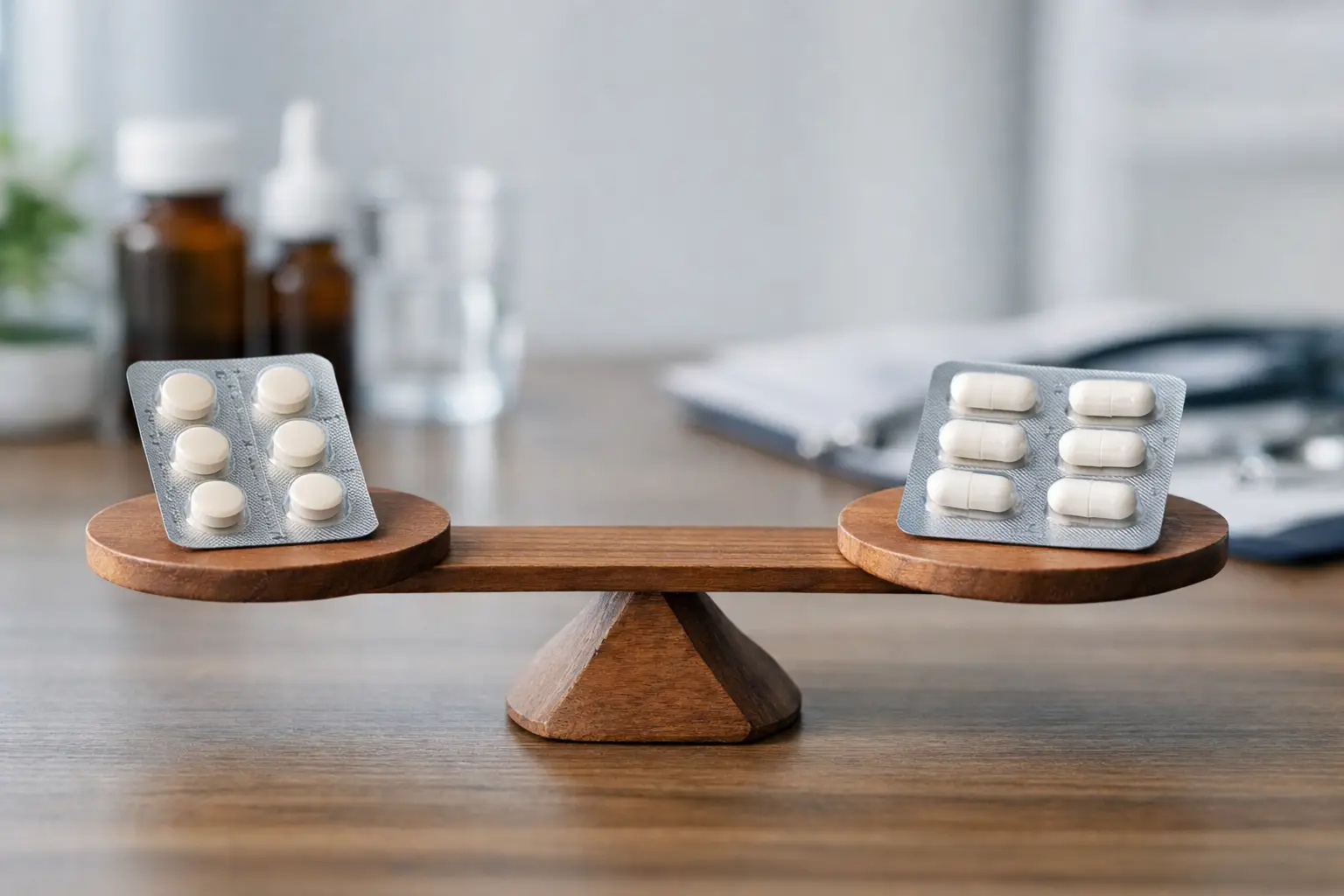
Both medicines may be used as part of treatment for alcohol dependence. They work in very different ways. One creates a strong physical deterrent to drinking; the other can reduce the rewarding effects and cravings associated with alcohol. Neither is a punishment, and neither replaces proper medical support. A careful consultation is the safest place to decide what fits your situation.
Disulfiram versus naltrexone: the key difference
Disulfiram is designed to support abstinence by making drinking physically unpleasant and potentially dangerous. If alcohol is consumed while disulfiram is active in the body, it can cause a disulfiram-alcohol reaction. Symptoms may include facial flushing, throbbing headache, nausea, vomiting, sweating, palpitations, breathlessness, low blood pressure and severe anxiety. In serious cases, urgent medical care may be needed.
This clear consequence is why disulfiram appeals to people who have tried to stop before but repeatedly drink in moments of pressure, loneliness, celebration or impulse. It creates a firm barrier: drinking is no longer a casual decision. For some patients, that barrier provides breathing space to rebuild routines, repair relationships and engage properly with recovery.
Naltrexone works differently. It blocks opioid receptors involved in alcohol’s rewarding effects. Some people find it reduces cravings, lowers the urge to continue drinking after starting, or helps them drink less heavily. It does not cause an immediate illness after alcohol. That makes it a different kind of support: it may help reduce reinforcement from drinking, but it relies less on an external deterrent.
When disulfiram may be the stronger fit
Disulfiram is often considered when the goal is clear and complete abstinence, particularly where previous attempts at moderation have led back to harmful drinking. It may suit someone who says, with honesty, “Once I have one drink, I lose control,” or someone who wants a tangible medical commitment rather than relying on willpower alone.
The treatment requires real preparation. Alcohol must be avoided not only in drinks but also in products that may contain it, such as certain mouthwashes, cough remedies, sauces, aftershaves or fragrances. Patients need to read labels carefully and follow the advice provided by their clinician. This is not a minor detail. The safety of disulfiram depends on respecting the alcohol restriction fully.
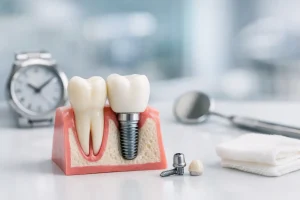
For suitable patients, disulfiram can be prescribed in tablet form. Some private clinics also offer implantation procedures intended to provide a longer-acting treatment approach. The type of treatment, expected duration and evidence base should be discussed openly during consultation. An implant is not a guarantee of sobriety and should never be presented as a substitute for personal commitment, support or follow-up care. Its role is to support a structured decision to remain alcohol-free.
At Dublin Medgreg Clinic, qualification comes before any procedure. A private assessment helps establish whether disulfiram treatment is medically appropriate, whether outpatient implantation under local anaesthetic is suitable, and what support is needed afterwards.
When naltrexone may be the better option
Naltrexone may be appropriate for people whose immediate aim is to reduce heavy drinking or manage persistent cravings, rather than create an absolute alcohol deterrent. It can be considered where a person is motivated to change but is not yet confident they can maintain total abstinence from day one.
That does not mean naltrexone is an easier or weaker treatment. It is a prescription medicine requiring assessment and monitoring. It can cause side effects, including nausea, headache, dizziness, tiredness or sleep disturbance. More importantly, it is generally not suitable for people taking opioid pain medicines or using opioids, because it blocks their effects and may trigger serious problems in opioid-dependent patients. Liver health also needs to be assessed.
For someone who needs opioid-based pain relief, has recently used opioids, or may need emergency opioid treatment, naltrexone requires particularly careful planning. Always tell every clinician involved in your care that you are taking it.
The decision is not simply about cravings
It is tempting to frame the choice as disulfiram for “serious” alcohol dependence and naltrexone for “milder” problems. That is not medically accurate. Alcohol dependence affects people differently, and treatment should reflect the practical risks in their life.
Disulfiram may be more suitable where drinking has become secretive, impulsive or tied to repeated episodes of severe harm. A patient may value the certainty of knowing that alcohol is not an option. On the other hand, a person with strong cravings who is working towards reduction, or who cannot safely use disulfiram, may benefit more from naltrexone.
There are also situations where neither medicine should be started immediately. Acute alcohol withdrawal can be dangerous. Shaking, sweating, agitation, hallucinations, seizures or confusion after stopping alcohol require urgent medical assessment. Do not attempt to manage severe withdrawal alone, and do not start prescription treatment without declaring your full alcohol intake, medicines, medical history and mental health concerns.
Medical safety comes before speed
A decisive treatment plan is valuable, but it must be medically sound. Before disulfiram, a clinician will consider factors such as heart disease, serious liver problems, certain psychiatric conditions, current medicines and whether you can reliably avoid alcohol. Before naltrexone, opioid use, liver function, pain management needs and other medicines are especially relevant.
Honesty during consultation protects you. There is no benefit in minimising how much you drink, hiding a recent opioid prescription or saying you are ready for abstinence when you are not. A good clinician is not there to judge you. They are there to prevent avoidable risk and help choose an intervention you can realistically follow.
Family members can play a useful role too, if the patient wishes. They may help remove alcohol from the home, understand product restrictions with disulfiram, attend an appointment, or offer practical support during difficult evenings. But the treatment decision remains personal. Lasting recovery is more likely when the patient has chosen the plan for themselves.
Make the medicine part of a recovery plan
Medication works best when it is connected to practical change. That may mean arranging counselling, speaking to a trusted person, avoiding high-risk places for a period, planning how to handle work events, and seeking help early after a lapse rather than disappearing into shame.
If you choose disulfiram, create a clear alcohol-free plan before treatment begins. Remove alcohol-containing products where possible, tell a small number of trusted people what support you need, and prepare a response for invitations or pressure to drink. If you choose naltrexone, track cravings and drinking patterns honestly so your clinician can judge whether the treatment is helping.
A lapse does not erase the decision to recover. It is information about what needs more support. The crucial step is to act quickly, speak openly and return to the plan rather than allowing one difficult day to become weeks of drinking.
The best choice between disulfiram and naltrexone is the one that is safe for your health and strong enough for your real life. If alcohol has taken too much already, a private medical consultation can turn a fearful intention into a clear, supported next step.