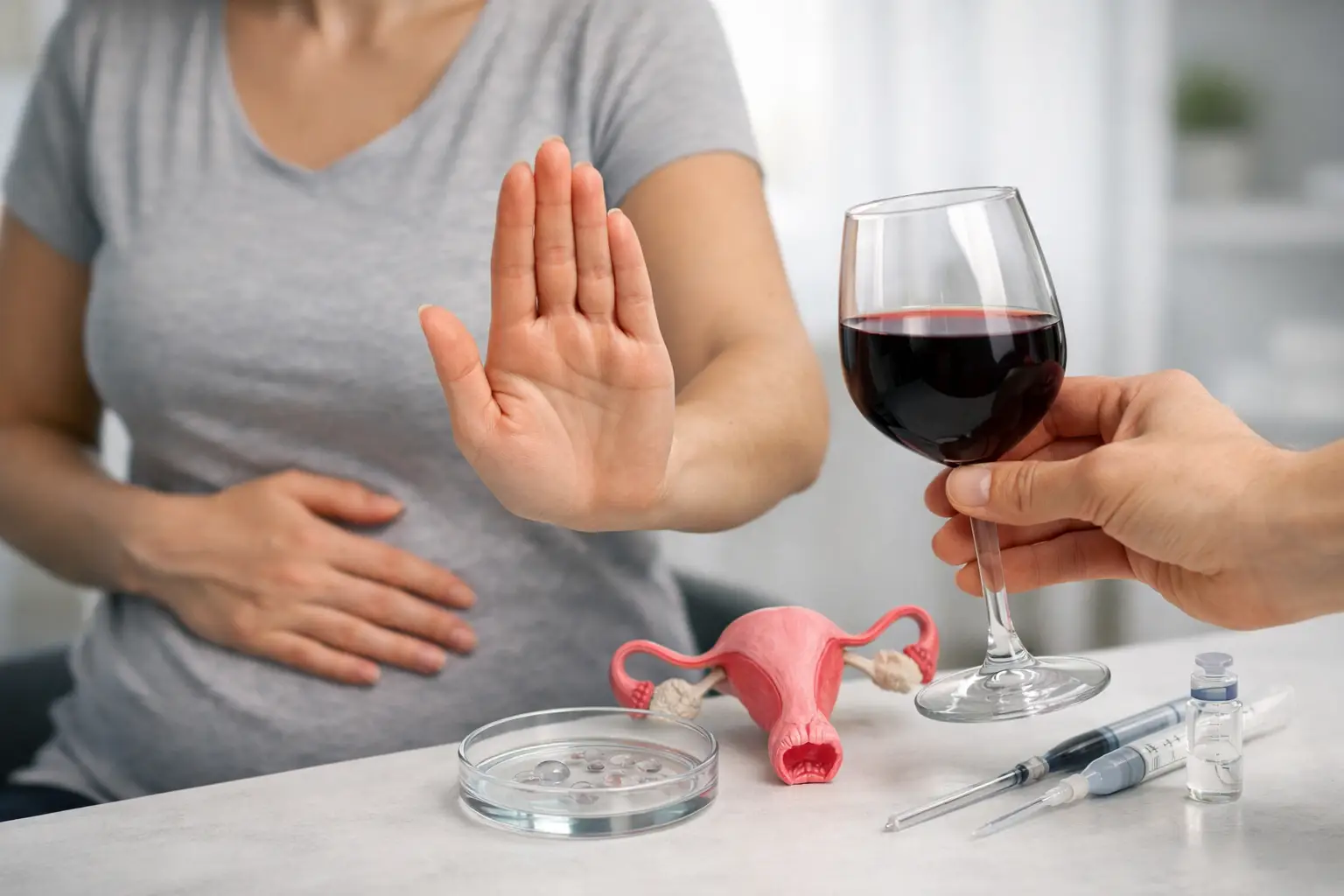
A disulfiram implant is designed to create a serious physical barrier to drinking. That is precisely why you must avoid alcohol before implantation too. Arriving for treatment with alcohol in your system, or concealing recent drinking, can put your safety at risk and may mean your procedure needs to be postponed.
This is not about judgement. Alcohol dependence can make stopping difficult, and many people seek an implant after repeated attempts to manage alone have failed. The purpose of pre-treatment preparation is to help you begin treatment safely, with a clear plan and honest medical support.
Why avoid alcohol before implantation?
Disulfiram works by interfering with how the body processes alcohol. If alcohol is consumed while disulfiram is active, acetaldehyde can build up in the body. This may trigger a severe and deeply unpleasant reaction, including facial flushing, throbbing headache, nausea, vomiting, sweating, chest discomfort, breathlessness, dizziness, palpitations and low blood pressure.
The intensity of a reaction varies, but it should never be treated casually. In severe cases, urgent medical care may be required. The point of the treatment is to support sobriety by making alcohol use a consequence you cannot simply ignore.
Before implantation, the clinician must be confident that you are medically suitable, able to give informed consent and prepared to follow the alcohol-free requirements of treatment. Recent drinking can affect this assessment. It can also make it harder to tell whether symptoms are caused by alcohol, withdrawal, anxiety or another medical issue that needs attention first.
Your required period of abstinence is a clinical decision. It depends on your drinking pattern, your health, medicines you take and the treatment plan agreed during consultation. Never guess the timeframe or rely on advice from friends. Be direct about when you last drank and how much. Accurate information protects you.
Do not hide recent drinking
Shame often tells people to minimise their alcohol use. It may feel tempting to say your last drink was earlier than it was, especially if you are desperate to get treatment quickly. But a safe procedure is always better than a rushed one.
Your clinician needs to know whether you have been drinking daily, whether you have experienced withdrawal before, and whether you have ever had seizures, hallucinations, severe shaking or confusion after stopping. These details can change the safest next step.
For someone who drinks heavily or regularly, suddenly stopping alcohol can itself be dangerous. Alcohol withdrawal may cause anxiety, sweating, tremor, nausea and insomnia. In more serious cases, it can cause seizures or delirium tremens, which may include severe confusion, agitation and hallucinations. If this applies to you, do not try to push through alone simply to reach an appointment. Speak to a medical professional promptly so withdrawal can be assessed and managed safely.
A private consultation is a place for facts, not embarrassment. The more open you are, the more confidently your clinician can advise whether implantation is appropriate now or whether you need medical stabilisation first.
Alcohol is not only found in drinks
Preparing for disulfiram treatment means being alert to hidden or unexpected sources of alcohol. Beer, wine and spirits are obvious, but some everyday products may also contain ethanol. Your clinician can explain the level of caution appropriate for you, but it is sensible to check labels and ask before using unfamiliar products.
Pay particular attention to cough and cold medicines, liquid remedies, mouthwashes, cooking wines, certain desserts, sauces and fermented drinks. Alcohol may also be present in some fragrances, aftershaves and cosmetic products. Do not assume that a product is safe because it is sold over the counter or used by other people without difficulty.
The risk is not identical in every situation. Alcohol eaten in food that has been thoroughly cooked may be different from alcohol in an uncooked sauce, for example. Topical products may present a different level of risk than swallowing alcohol. What matters is that you raise questions before exposure rather than testing your tolerance after treatment.
Once disulfiram is active, avoid alcohol completely unless your treating clinician has specifically told you otherwise. This includes products described as low-alcohol or alcohol-free if there is any uncertainty about their actual alcohol content.
How to prepare for your consultation and procedure
The most useful preparation is practical and honest. Write down all prescription medicines, over-the-counter remedies, supplements and any recreational substances you use. Some medicines can affect treatment suitability, and a full medication review is part of responsible care.
Also be ready to discuss your medical history, including heart problems, liver disease, kidney disease, diabetes, epilepsy, mental health treatment and previous reactions to medicines. Disulfiram is not suitable for everyone. Qualification checks exist to make sure the treatment is safe and appropriate for you, not to create unnecessary obstacles.
On the day, follow the clinic’s instructions about eating, drinking, travel and aftercare. An implant procedure is generally performed as an outpatient treatment under local anaesthetic, but it remains a medical procedure. Plan for a calm day, wear comfortable clothing and arrange your journey so you are not under pressure.
It can help to tell one trusted person what you are doing. You do not need to make your treatment public, but having support for the first days and weeks can reduce isolation. If privacy is essential, choose someone who will respect it and focus on your recovery rather than your past.
The implant is a barrier, not a substitute for a plan
Choosing implantation can be a decisive step. It can create the immediate consequence that many people need when cravings, habit or social pressure have repeatedly pulled them back towards drinking. But lasting sobriety is easier when that barrier is supported by changes around it.
Think in concrete terms. Remove alcohol from your home. Avoid the pub, gatherings or routes home that are strongly linked to drinking during the early stage of recovery. Prepare a simple response for people who offer you a drink. You do not owe anyone a full explanation – “I’m not drinking” is enough.
It is also worth identifying the moments when alcohol has been doing a job for you. Perhaps it has been used to switch off after work, manage loneliness, deal with conflict or quiet anxious thoughts. The implant may stop you acting on the impulse, but you still deserve safer ways to deal with what sits underneath it.
For some people, this means counselling, structured recovery support or speaking openly with their GP. For others, it means rebuilding sleep, meals, exercise and contact with people who make sobriety feel normal. There is no single formula, but there must be a plan for the hours when you would usually drink.
When to seek urgent help
Do not wait for a routine appointment if you have severe withdrawal symptoms, chest pain, difficulty breathing, fainting, a seizure, severe confusion or hallucinations. Seek urgent medical assistance.
Likewise, if you have consumed alcohol after disulfiram treatment and develop significant symptoms, treat it seriously. Tell healthcare professionals that you have received disulfiram treatment so they can assess you properly.
If you are worried because you drank recently and have an implantation consultation booked, contact the clinic before travelling. A direct conversation may feel difficult, but it is the safest and most responsible choice. At Dublin Medgreg Clinic, the goal is not simply to carry out a procedure. It is to help you start treatment in a way that protects your health and gives sobriety a real foundation.
The decision to stop drinking does not have to wait until life becomes unmanageable. Be honest about where you are, get medically guided advice, and take the next safe step towards the life alcohol has been taking from you.