A change of mind after treatment can bring real anxiety, especially when you have chosen an alcohol implant during a difficult period. Can alcohol implants be removed? In many cases, yes – but only through a clinical assessment and a minor surgical procedure carried out by an appropriately qualified doctor. It is never something to attempt yourself, and removal may not immediately end the medicine’s effects.
For some people, the question comes from discomfort around the implant site. For others, it may follow a change in health, planned surgery, side effects, or worries about continuing treatment. Whatever the reason, you deserve a calm, private conversation and clear medical advice rather than judgement.
Can alcohol implants be removed safely?
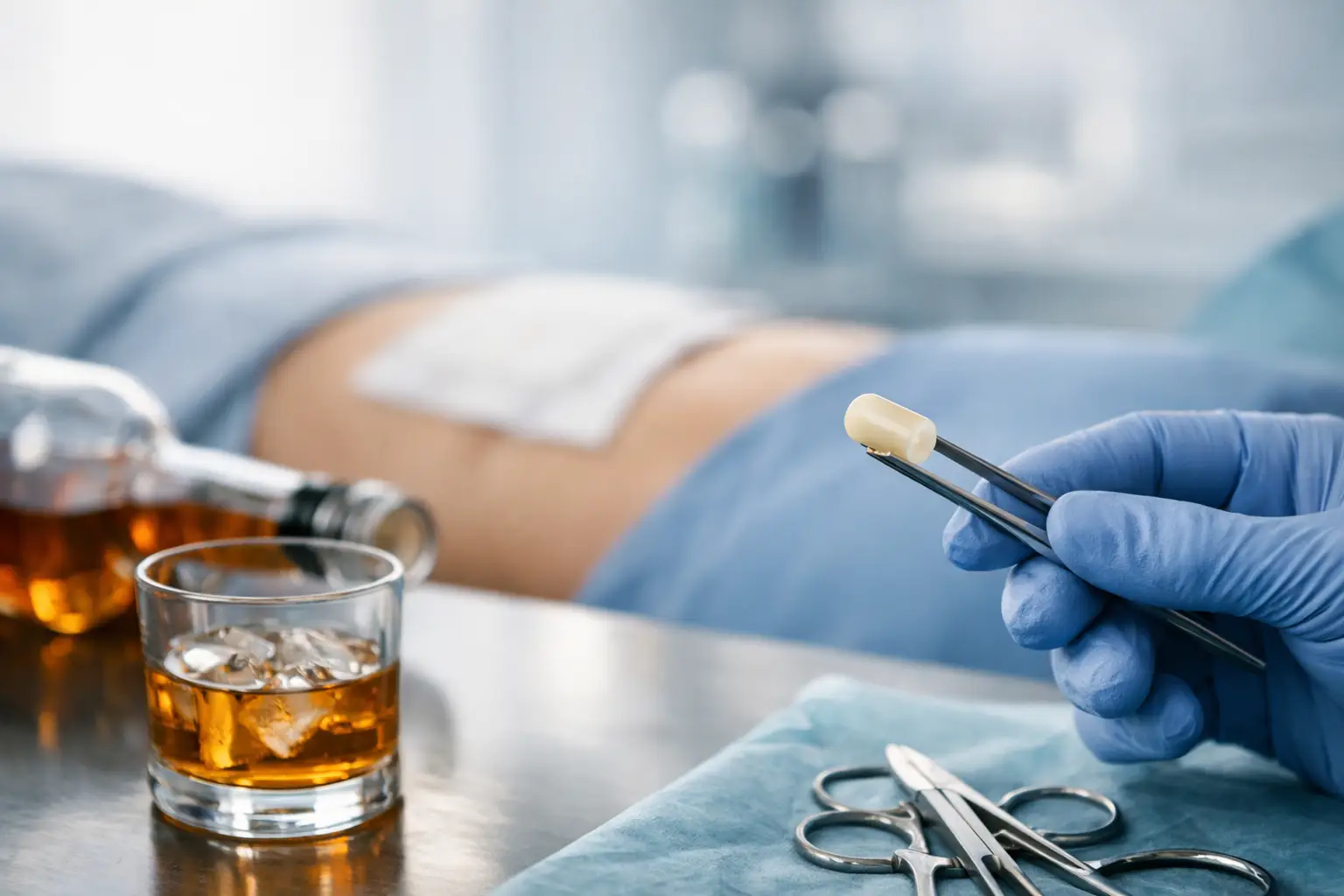
An alcohol implant containing disulfiram can usually be removed if the implanted material can be located and safely accessed. The procedure is normally performed in a clinical setting under local anaesthetic. A surgeon reopens or makes a small incision near the original implantation area, identifies the remaining implant material where possible, removes it, and closes the wound.
However, safe removal is not always as simple as reversing the original procedure. Over time, the body absorbs the implanted material. The pellets may become smaller, fragment, or be surrounded by scar tissue. If little or no material remains, there may be nothing meaningful to remove. Trying to search extensively for small fragments can create more tissue trauma than benefit.
That is why the first step is a medical review. The clinician needs to understand when and where the implant was placed, the type and dose used, your current health, your medicines, and the reason you are seeking removal. If you have documentation from the original procedure, take it with you.
Why someone may request implant removal
There is no single “right” reason to ask about removal. Your circumstances and safety matter. A clinician may consider removal where there is persistent pain, swelling, wound problems, suspected infection, an inflammatory reaction, or a medical reason to avoid continued exposure to disulfiram.
Sometimes the issue is psychological rather than physical. An implant is intended to create a firm barrier against drinking, but that can feel overwhelming if a person did not feel fully ready for treatment, was pressured into it, or is now struggling with the commitment. This should be discussed honestly. Removing an implant without putting support in place can leave a person exposed to relapse at a vulnerable moment.
There are also practical medical reasons for review. You may be prescribed a new medicine, develop a liver-related concern, or need an operation. Disulfiram has important interactions and is not suitable for everyone. Do not decide on removal, medication changes, or alcohol use without speaking to a doctor who understands your treatment.
What happens during the removal procedure?
Removal is usually an outpatient procedure, meaning you can normally return home the same day. The doctor will examine the site, explain the expected benefits and limitations, and obtain your consent before proceeding. In some cases, an ultrasound or another assessment may help establish whether there is material that can realistically be removed.
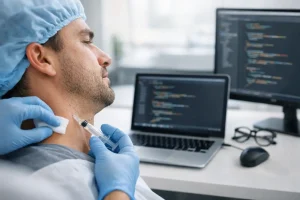
After the skin is cleaned and numbed with local anaesthetic, the surgeon makes a small incision. Any accessible implant material is removed carefully. The area is then closed with sutures, wound strips, or another appropriate dressing. You will receive instructions on keeping the wound clean, activity restrictions, and when to return for a wound check or stitch removal if needed.
As with any minor surgery, there are risks. These can include bruising, bleeding, pain, infection, delayed wound healing, scarring, or incomplete removal. A good clinician will discuss these openly rather than promise a perfect outcome.
Recovery is often straightforward, but it depends on the location of the implant, how much material is present, and your general health. Contact the clinic promptly if you develop increasing redness, warmth, swelling, discharge, fever, worsening pain, or the wound begins to open.
Removal does not mean the alcohol reaction disappears immediately
This is the point many people understandably miss. Disulfiram changes how the body processes alcohol. If alcohol is consumed while the medicine remains active, acetaldehyde can build up and trigger an unpleasant and potentially dangerous reaction. Symptoms may include flushing, severe nausea and vomiting, headache, palpitations, dizziness, breathlessness, low blood pressure, and chest discomfort.
Even after an implant is removed, disulfiram already absorbed into the body may continue to have an effect for a period of time. The precise duration varies between individuals and depends on the formulation, dose, timing of implantation, how much has been absorbed, liver function, and other health factors. Removal of visible pellets is therefore not a guarantee that alcohol is safe straight away.
You should follow the treating clinician’s advice about how long to avoid alcohol after removal. This includes alcohol hidden in products such as certain mouthwashes, cough medicines, sauces, aftershaves, perfumes, and cleaning products. Read labels and ask a pharmacist if you are unsure.
If you drink alcohol and develop chest pain, severe breathing difficulty, fainting, confusion, a very fast or irregular heartbeat, or persistent vomiting, seek urgent medical help. Do not try to manage a severe reaction alone.
Do not try to remove an implant yourself
It can be tempting to treat an implant as something that can be pressed out or cut out at home. This is dangerous. The implant may be deeper than expected, close to blood vessels or nerves, partly absorbed, or difficult to distinguish from surrounding tissue. Self-removal can cause serious infection, bleeding, permanent scarring, and incomplete extraction.
Equally, do not allow removal by anyone without appropriate surgical training and sterile clinical conditions. Privacy matters, but it should never come at the expense of safety. A discreet appointment with a qualified medical team protects both your physical health and your dignity.
The decision should include your recovery plan
An implant is not a punishment and removal should not become a source of shame. It is a medical intervention chosen to support abstinence by creating a strong consequence for alcohol consumption. If it no longer feels workable, the most useful question is not simply, “Can it come out?” It is, “What will keep me safe if it does?”
For some people, the answer may be continued medical supervision, relapse-prevention medication that is more suitable for their circumstances, counselling, family support, peer support, or a structured plan for high-risk situations. For others, keeping the implant in place may remain the best option after a clear discussion with the clinician.
If you are considering removal because you want to drink again, pause before acting. That urge may be temporary, particularly during stress, loneliness, conflict, or withdrawal from an old routine. Speaking openly with a professional can create space between the urge and the decision. It can also help you protect the work you have already done for your health, family, and future.
At Dublin Medgreg Clinic, treatment discussions are handled discreetly and without judgement. A consultation can clarify whether removal is medically appropriate, what can realistically be achieved, and how to make the next step safer.
Questions to ask at your consultation
Ask whether there is likely to be implant material remaining, whether removal is recommended in your situation, and what risks apply to you personally. You should also ask how long you must avoid alcohol after the procedure, whether any current medicines need review, and what follow-up will be available.
A responsible answer may sometimes be that immediate removal is not advisable, or that removal will not provide the immediate change you hoped for. Clear advice is still valuable. It gives you a safer route forward than acting in panic or making a decision alone.
Asking about removal does not erase your commitment to recovery. It is an opportunity to take control in a medically safe way, with a plan that protects the life you are working to reclaim.