A hidden splash of alcohol in a sauce, a mouthwash used without thinking, or a decision to drink after treatment can have serious consequences. So, can disulfiram cause reactions? Yes – but the reaction is not usually caused by the medicine alone. It occurs when disulfiram is combined with alcohol, which is precisely why this treatment can create a powerful, practical barrier against relapse.
For someone who has tried promises, willpower, or previous treatment and still fears another drink, that barrier can feel like a turning point. It must, however, be approached with honesty, proper medical qualification, and a clear understanding of the rules.
Can disulfiram cause reactions with alcohol?
Disulfiram changes the way the body processes alcohol. Normally, alcohol is broken down in stages. Disulfiram blocks one of the key enzymes involved, allowing a substance called acetaldehyde to build up after alcohol is consumed. That build-up produces an intensely unpleasant response known as a disulfiram-alcohol reaction.
The purpose is not to punish a patient. It is to create a firm medical consequence that interrupts the familiar pattern of drinking. When a person knows that alcohol is likely to make them very unwell, the impulse to drink can lose some of its immediate power. This can provide valuable space to focus on recovery, relationships, health, and the routines that support sobriety.
The severity of a reaction depends on several factors, including how much alcohol was consumed, the amount of disulfiram active in the body, and the person’s general health. One person may develop flushing and nausea after a small exposure. Another may become seriously unwell. There is no safe amount of alcohol to test.
What does a disulfiram-alcohol reaction feel like?
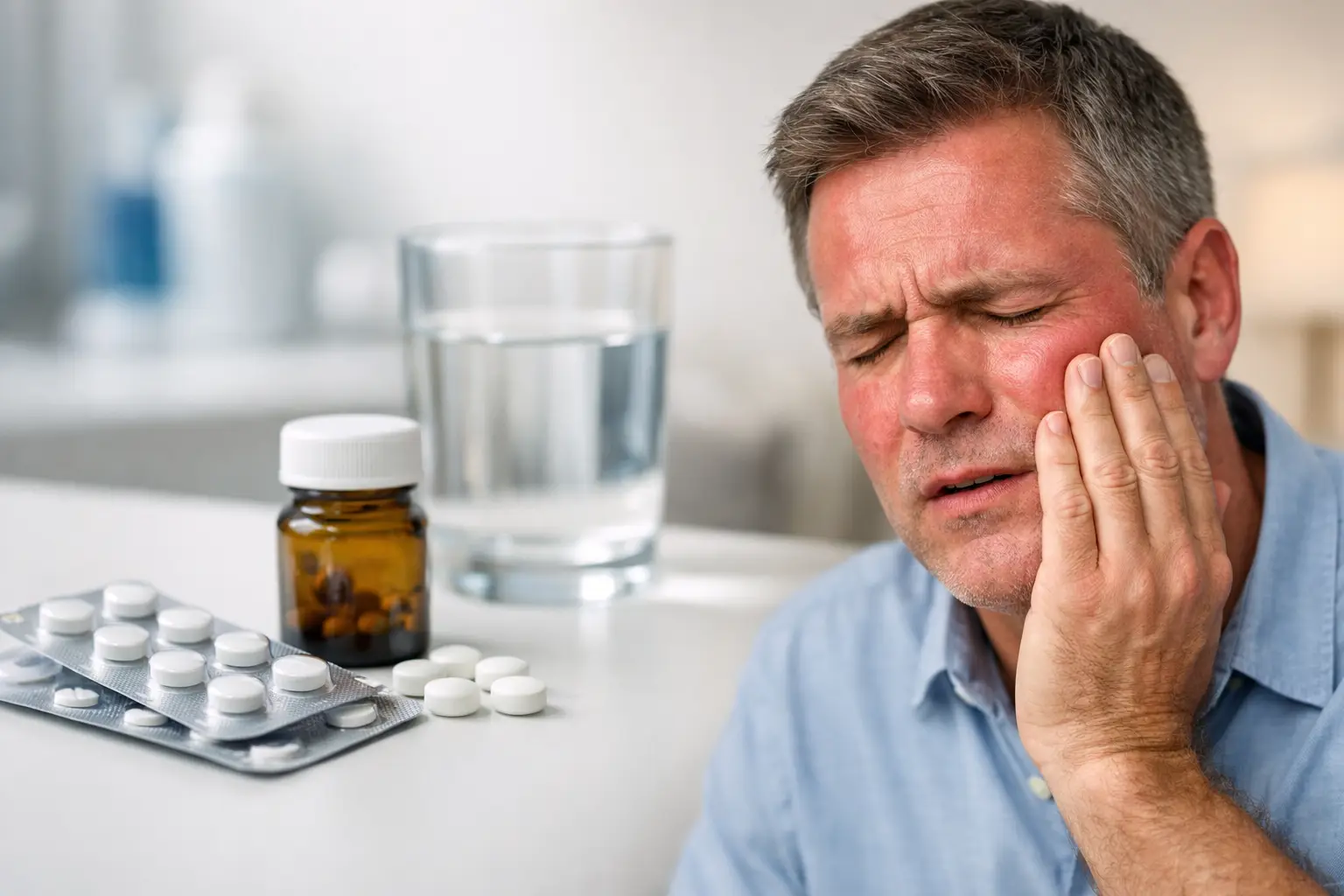
Symptoms can begin soon after alcohol is consumed, often within minutes. They may last for several hours, and the experience can be frightening. Common symptoms include facial flushing, pounding headache, sweating, thirst, nausea, vomiting, dizziness, weakness, blurred vision, chest discomfort, palpitations, and shortness of breath.
Some people also experience anxiety, confusion, a drop in blood pressure, or a racing heartbeat. In more severe cases, the reaction may involve collapse, serious breathing difficulty, heart rhythm problems, seizures, or loss of consciousness. These are medical emergencies.
If a person taking disulfiram has chest pain, severe breathlessness, faints, becomes confused, has a seizure, or cannot be woken properly, emergency medical help is needed immediately. Do not wait at home hoping the symptoms will pass. Tell the medical team that disulfiram may have been taken and that alcohol exposure is suspected.
A mild reaction should not be dismissed either. Contact a clinician or urgent medical service for advice, particularly if vomiting is persistent, symptoms are worsening, or the person has heart, liver, or breathing problems.
Alcohol is not only found in drinks
The most obvious risk is beer, wine, spirits, cider, cocktails, and alcohol-free drinks that still contain alcohol. But alcohol can also be present in less obvious products. This is where careful daily habits matter.
Food prepared with wine, beer, spirits, or liqueurs can be a concern, particularly if alcohol has not been fully cooked off. Some sauces, desserts, chocolates, vinegars, extracts, and fermented products may contain alcohol. Labels should be read carefully, and restaurant staff should be asked directly how a dish is prepared when there is any uncertainty.
Alcohol may also appear in mouthwash, cough and cold remedies, liquid medicines, aftershaves, fragrances, hand sanitisers, and some cosmetic products. Skin contact is less likely to cause a serious reaction than swallowing alcohol, but inhaling strong fumes or using alcohol-containing products in enclosed spaces may cause symptoms in some people. A cautious approach is sensible: choose alcohol-free alternatives wherever possible and ask a pharmacist about medicines before using them.
This can feel demanding at first. For many patients, it soon becomes part of a new routine – checking labels, planning ahead, and removing risky products from the home. These small decisions reinforce the larger commitment to sobriety.
Reactions can happen after treatment has ended
One of the most dangerous misunderstandings is believing that alcohol becomes safe the moment disulfiram treatment stops. The medicine can remain active in the body for a significant period. A reaction may still occur for up to 14 days after the last oral dose, and the relevant timeframe after an implant or another treatment approach must be explained individually by the treating clinician.
Never make assumptions based on how well you feel or how long it has been since treatment. Before consuming any product containing alcohol, speak to the clinician responsible for your treatment. This is especially important if you are travelling, attending a family celebration, or facing a stressful event where drinking has previously been part of the pattern.
Side effects without alcohol: what is different?
Disulfiram itself can cause side effects even without alcohol exposure. Some people notice tiredness, headache, a metallic or garlic-like taste, mild stomach upset, drowsiness, or skin changes. These effects should be discussed with a clinician, particularly if they are persistent or affecting daily life.
More serious side effects are uncommon but require prompt medical assessment. These can include yellowing of the skin or eyes, dark urine, severe abdominal pain, unusual bruising, numbness or tingling in the hands or feet, vision changes, severe mood changes, or a widespread rash. Such symptoms may indicate a problem involving the liver, nerves, or another significant complication.
Disulfiram is not suitable for everyone. A careful qualification process should consider alcohol use, medical history, current medicines, mental health, liver function, heart conditions, and whether the patient can fully understand and follow the treatment rules. Pregnancy, certain psychiatric conditions, serious heart disease, and significant liver problems may affect suitability. This is why purchasing treatment informally or starting it without medical supervision carries unnecessary risk.
Why supervised treatment matters
Disulfiram works best when it is part of a clear, agreed recovery plan rather than a secret or forced intervention. The patient needs to understand exactly what the medication does, what alcohol sources to avoid, and what action to take if symptoms occur. Family support can help, but the commitment must be the patient’s own.
At Dublin Medgreg Clinic, the pathway begins with a private consultation and medical assessment before any procedure is considered. This is not paperwork for its own sake. It is the point at which risks can be identified, expectations discussed, and the safest option considered for the individual.
For some people, the physical deterrent provided by disulfiram is most useful during the early months of sobriety, when cravings, social pressure, and old habits can be strongest. For others, it may not be the right treatment. The decisive step is not choosing the strongest-sounding option. It is choosing a medically appropriate plan that you are ready to follow.
How to reduce the risk of an accidental reaction
The safest rule is simple: avoid alcohol completely during disulfiram treatment and for the period your clinician specifies afterwards. Do not rely on a product being described as low alcohol, lightly fermented, or suitable for cooking. Check it.
Tell your GP, dentist, pharmacist, and any clinician involved in your care that you are taking disulfiram. This helps them avoid prescribing or recommending a product that contains alcohol. Keep a note of your medication and treatment dates, especially if you are travelling or attending an appointment where you may be unable to explain clearly.
It also helps to prepare one calm response for social situations: “I cannot drink for medical reasons.” You do not owe anyone further details. Protecting your health is more important than satisfying another person’s curiosity.
A firm barrier, not a reason to live in fear
Disulfiram can cause a severe reaction when alcohol is consumed, and that risk deserves respect. Yet the treatment is not designed to make life smaller. Under proper medical care, it can help make space for a different life – one where alcohol no longer dictates decisions, damages relationships, or creates the same cycle of regret.
If relapse feels close, repeated, or impossible to manage alone, seeking a confidential medical assessment is a practical next step. Recovery does not need to begin with another promise. It can begin with a clear decision, safe supervision, and support that helps you hold that decision when it matters most.